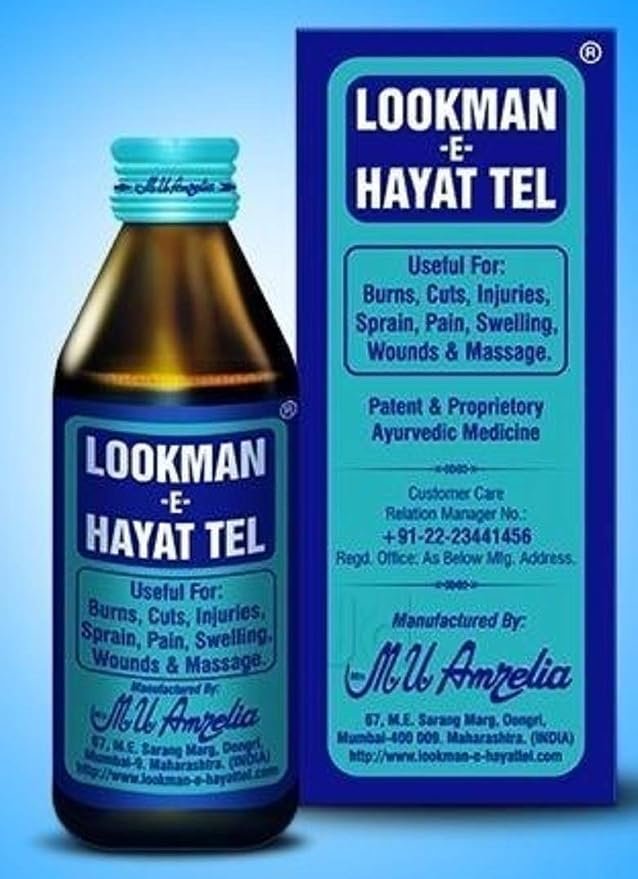
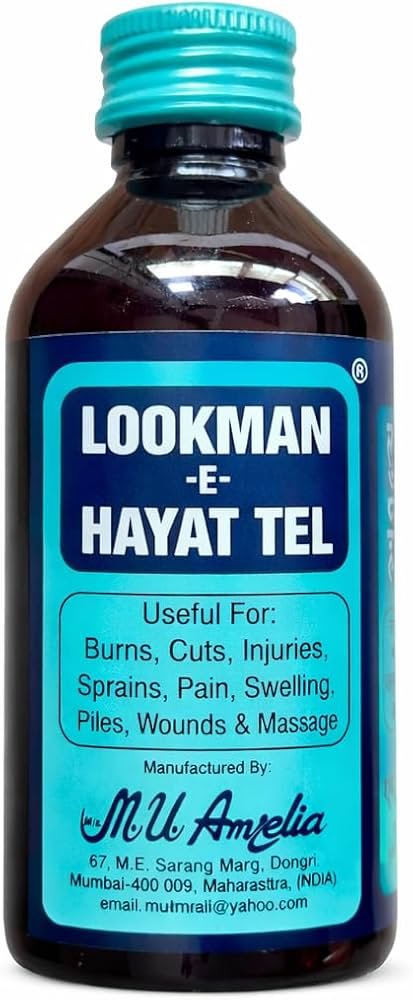
Used externally as directed, Lookman-e-Hayat oil is generally well tolerated — the realistic risks are skin irritation, an allergic reaction to one of the botanicals, and blocked pores on acne-prone skin. Patch-test on the inner forearm before first use. It is for external use only, and it is not a medicine.
Why this page exists
Most sellers of traditional oils do not publish a side-effects page at all, which is exactly why one is worth reading. Nothing below is alarming — it is just the honest list.
What can actually go wrong
| Issue | How likely | What to do |
|---|
| Redness, stinging or itching where applied | Uncommon, but the most likely of these | Wash off with cool water and mild soap. Stop using it. |
| Allergic reaction to a botanical | Uncommon | Stop. If there is swelling or difficulty breathing, that is an emergency. |
| Blocked pores / breakouts on the face | More likely on oily or acne-prone skin | Use sparingly at night, or not on the face at all. |
| Staining clothes and bedding | Likely, not a health issue | Old cotton on the pillow; wash in warm water. |
| Reaction on broken or damaged skin | Avoidable entirely | Never apply to cuts, open wounds, rashes or burns. |
How to patch test — two minutes, worth doing
- Dab a small amount on the inner forearm.
- Leave it a few hours, ideally 24.
- Redness, itching or bumps → do not use it.
- Nothing → apply normally, starting with a small area.
Do this with any new oil from any seller, not just this one.
Who should not use it
- Anyone with an allergy to a listed ingredient. The full list is on the product page — read it first.
- On fresh or serious burns. A serious burn needs cool running water for 10–20 minutes and a doctor. Oil traps heat in the tissue and makes it worse. This is the single most important line on this page.
- On open wounds, deep cuts, or infected skin.
- Babies and small children, without a doctor's advice.
- During pregnancy, without asking your doctor first.
- Anyone expecting it to treat a diagnosed condition. It is a traditional comfort oil, not a medicine, and it is not intended to diagnose, treat, cure or prevent anything.
Stop and see a doctor if
- The skin becomes swollen, blistered or hot.
- A rash spreads beyond where you applied it.
- Pain you were massaging gets worse, or does not settle over a couple of weeks.
- There is any breathing difficulty or facial swelling — that is an emergency, not a wait-and-see.
Is it safe to swallow?
No. External use only. Keep the bottle out of reach of children. If it is swallowed, contact a doctor or poison centre — do not wait for symptoms.
The honest summary
For most adults, on unbroken skin, patch-tested first, it is a low-risk traditional oil. The risks that do exist are ordinary cosmetic risks, and they are avoidable by reading the ingredient list and not putting oil on damaged skin.
Lookman-e-Hayat — Rs 1,200 (50 ml) / Rs 2,200 (100 ml), full ingredient list on the page, Cash on Delivery across Pakistan.
See also: what we say about cuts and burns and whether to use it on your face.
FAQ
Can it be used daily?
Most people use it two or three times a week. Daily is fine on the body if your skin tolerates it; on the face, less often.
Does it expire?
Yes. Check the batch and expiry on the bottle, store it away from heat and sunlight, and discard it if the smell changes.
Can I use it with other medicines?
It is applied to the skin, not taken internally, so interactions are unlikely — but if you are using a prescribed topical treatment on the same area, ask your doctor before layering anything over it.
General information, not medical advice. This product is not intended to diagnose, treat, cure or prevent any disease.